The investors whose ideas outlived any single market. 74 quotes verified word for word against the original letters, memos and transcripts, with dates; long-form guides to how they think; printable checklists; and the books they wrote and recommended. Profiles marked Legacy belong to investors who have died or no longer manage outside money.
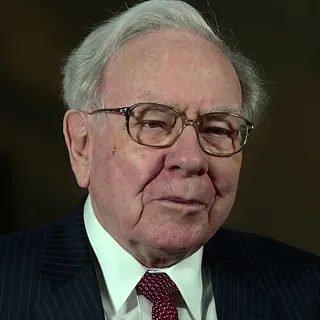
Warren Buffett turned Benjamin Graham's bargain hunting into something broader: buy shares of wonderful businesses at sensible prices, hold them for a very long time, and let compounding do the heavy lifting. Nearly everything he believes is written down in plain English in his annual letters to Berkshire Hathaway shareholders, which is where every quote on these pages comes from.
“We simply attempt to be fearful when others are greedy and to be greedy only when others are fearful.”
Howard Marks co-founded Oaktree Capital Management and has written client memos since 1990 that many professionals consider required reading. His thinking centers on risk, cycles and psychology: you cannot predict the future but you can prepare for it, superior results require second-level thinking, and success comes from buying things well, not from buying good things.
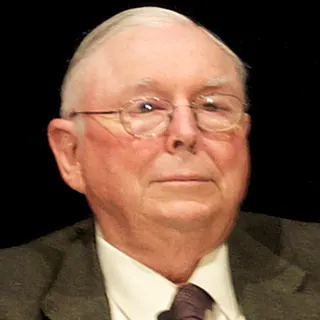
Charlie Munger (1924–2023) was Warren Buffett's partner at Berkshire Hathaway for 45 years and the person who pushed him from cheap stocks to great businesses. His enduring contribution is a way of thinking: build a latticework of mental models from many disciplines, invert hard problems, respect incentives and human misjudgment, and bet heavily only when the odds are clearly on your side.
“To the man with only a hammer, every problem looks like a nail.”
Peter Lynch ran Fidelity's Magellan Fund from 1977 to 1990 and turned it into the largest mutual fund in the world, then retired at 46 to spend time with his family. His message to ordinary investors is unusually encouraging: invest in what you know, do the homework, understand the story behind every stock, ignore economic forecasts, and have the stomach to stay invested through declines.
“I mean stomach is the key organ here. It's not the brain.”
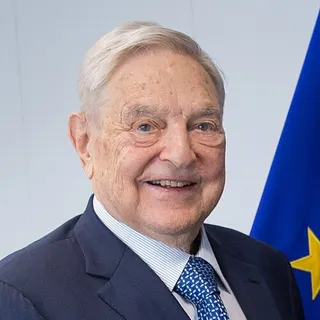
George Soros built the Quantum Fund into one of the most successful hedge funds in history and became famous for the 1992 bet against the British pound. He retired from managing outside money in 2011 and is alive; we show him as a legend because he no longer runs public money.
“The appropriate concept, in my view, is reflexivity, not equilibrium.”
Benjamin Graham (1894–1976) is the father of value investing. In Security Analysis (1934, with David Dodd) and The Intelligent Investor (1949) he defined the difference between investing and speculating, invented Mr.
“Confronted with a challenge to distill the secret of sound investment into three words, we venture the motto, Margin of Safety.”
Sir John Templeton (1912–2008) pioneered global investing and became famous for buying when others were most afraid. His 16 Rules for Investment Success, published in 1993, are among the clearest statements of contrarian value investing ever written: aim for real after-tax returns, buy low, search for bargains among quality companies, diversify across countries, and never panic.
“If you buy the same securities everyone else is buying, you will have the same results as everyone else.”
How we verify
Every quote on these pages is matched word for word against the source we link: Berkshire Hathaway shareholder letters, Oaktree memos, published speech transcripts, Franklin Templeton's reprint of the 16 rules, PBS and other reputable outlets. Famous lines we can't trace (“Rule No. 1: never lose money”, “Show me the incentive…”) are shown as unverified, never as fact. Methodology · Books recommended by famous investors
Weekly digest · free
13F filings and guru moves, in one short email
A Sunday digest of what famous investors said and filed this week, plus an alert when someone changes stance. Free, no spam, unsubscribe anytime.
Before you go
Get the weekly 13F and guru-moves digest
One short Sunday email. Unsubscribe anytime.
We’d like to use analytics cookies to see which pages are useful. Only if you agree. Privacy